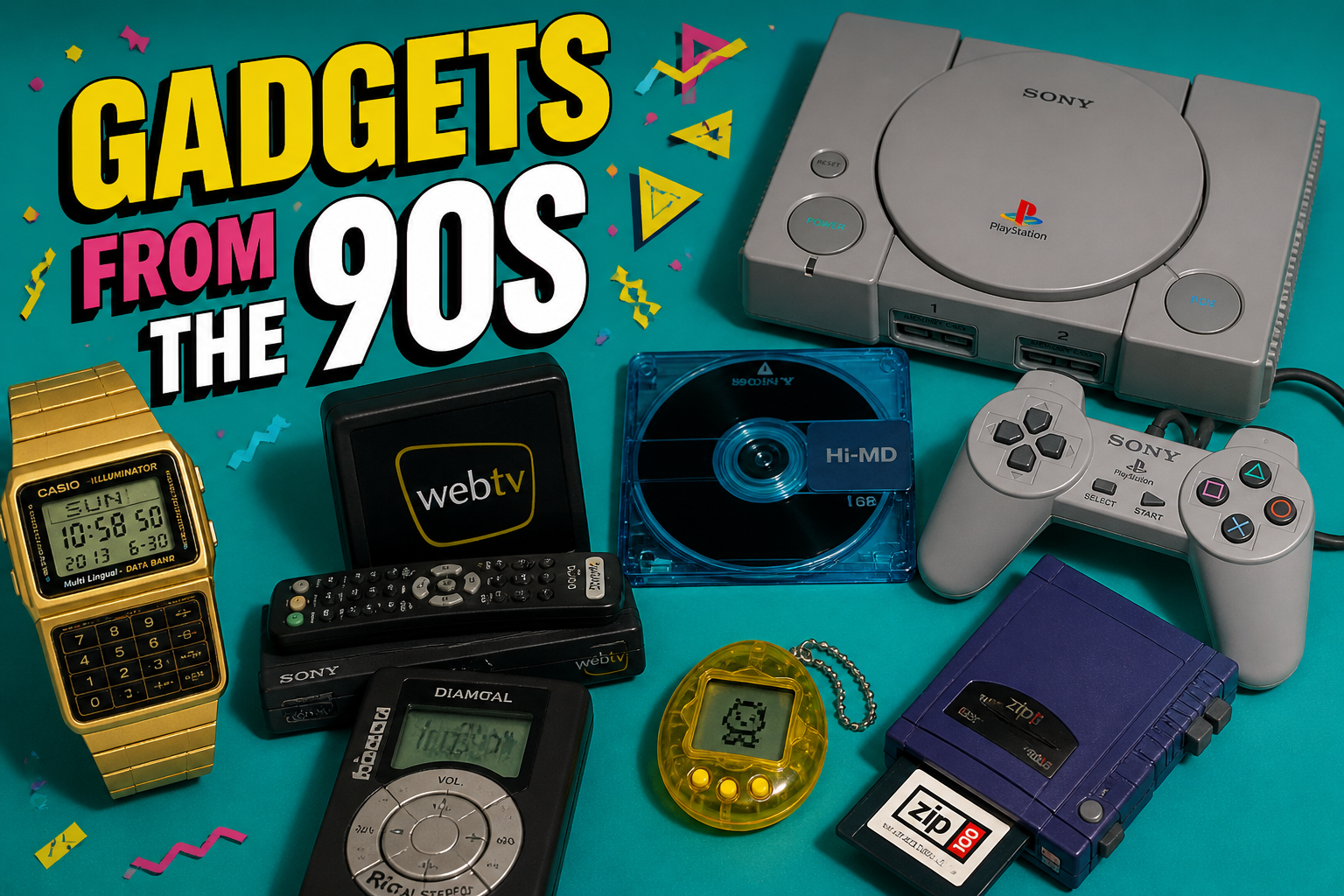
The 1990s were loaded with technological confidence. Every year brought a device that promised to change music, gaming, photography, storage, television or personal computing. Sometimes it changed everything. Sometimes it only showed us where the future wanted to go.
Sony MiniDisc
The format that was supposed to beat tapes, CDs and everything else.
Sony launched MiniDisc in 1992 with a pitch that made perfect sense: near-CD quality, smaller than a cassette, rewritable, portable and much harder to skip than a discman. In Japan, it became a real cultural object. Outside Japan, it never broke through in the same way.
The issue was timing. MiniDisc arrived too early to replace the CD and too late to survive MP3 players. By the time Sony leaned harder into digital file support, the iPod had turned music into software.
Sold tens of millions of units worldwide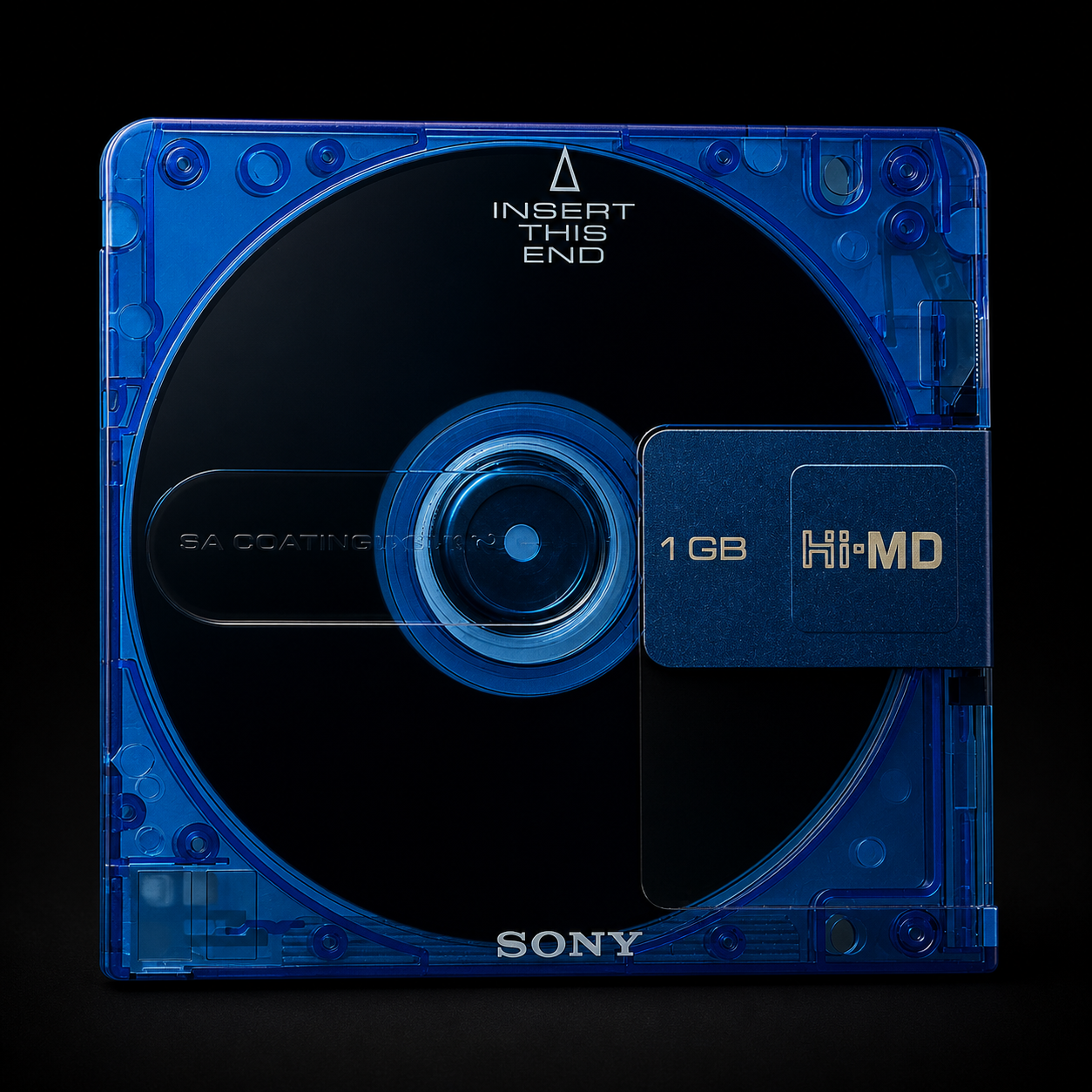
Apple Newton MessagePad
The tablet before the tablet had a market.
Apple released the Newton MessagePad in 1993 with a huge promise: a handheld computer with notes, contacts, calendar tools and handwriting recognition. On paper, it was the kind of mobile computer people would not fully understand until much later.
The handwriting recognition became the punchline. It improved over time, but the early reputation stuck. The Newton's basic dream came back later through the iPhone and iPad, only with better screens, faster chips and a market that was ready.
Launch price: $699 in 1993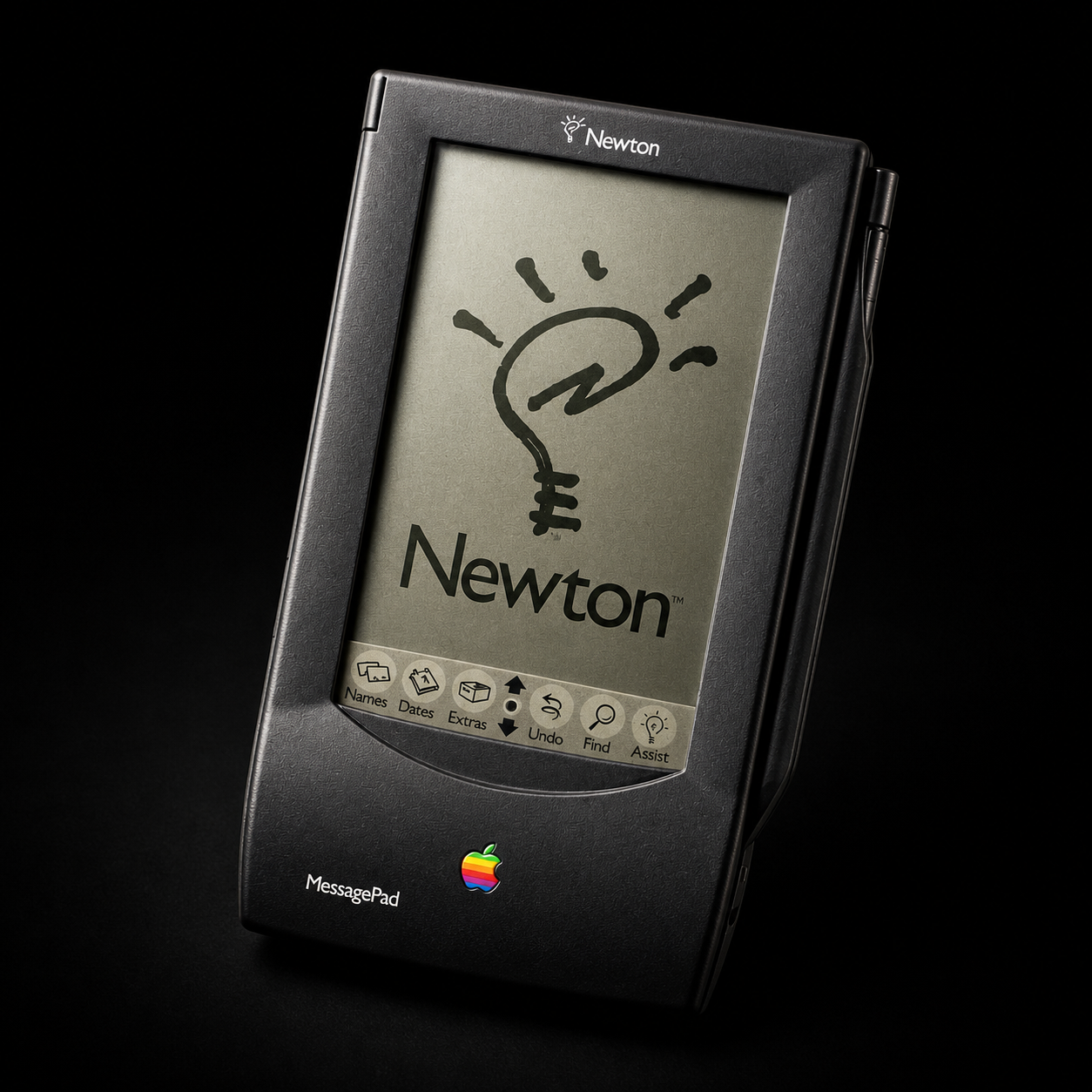
WebTV
Browsing the web from your television in 1996.
Before smart TVs, Chromecast and streaming sticks, WebTV tried to turn the living room television into an internet screen. You connected a small box to the TV, used a keyboard and went online through dial-up.
The idea was right. The experience was not. The web was built for computer monitors, not low-resolution TVs viewed from a couch. Microsoft bought WebTV in 1997, renamed it and kept it alive for years before finally shutting the service down.
Microsoft bought WebTV for $425 million in 1997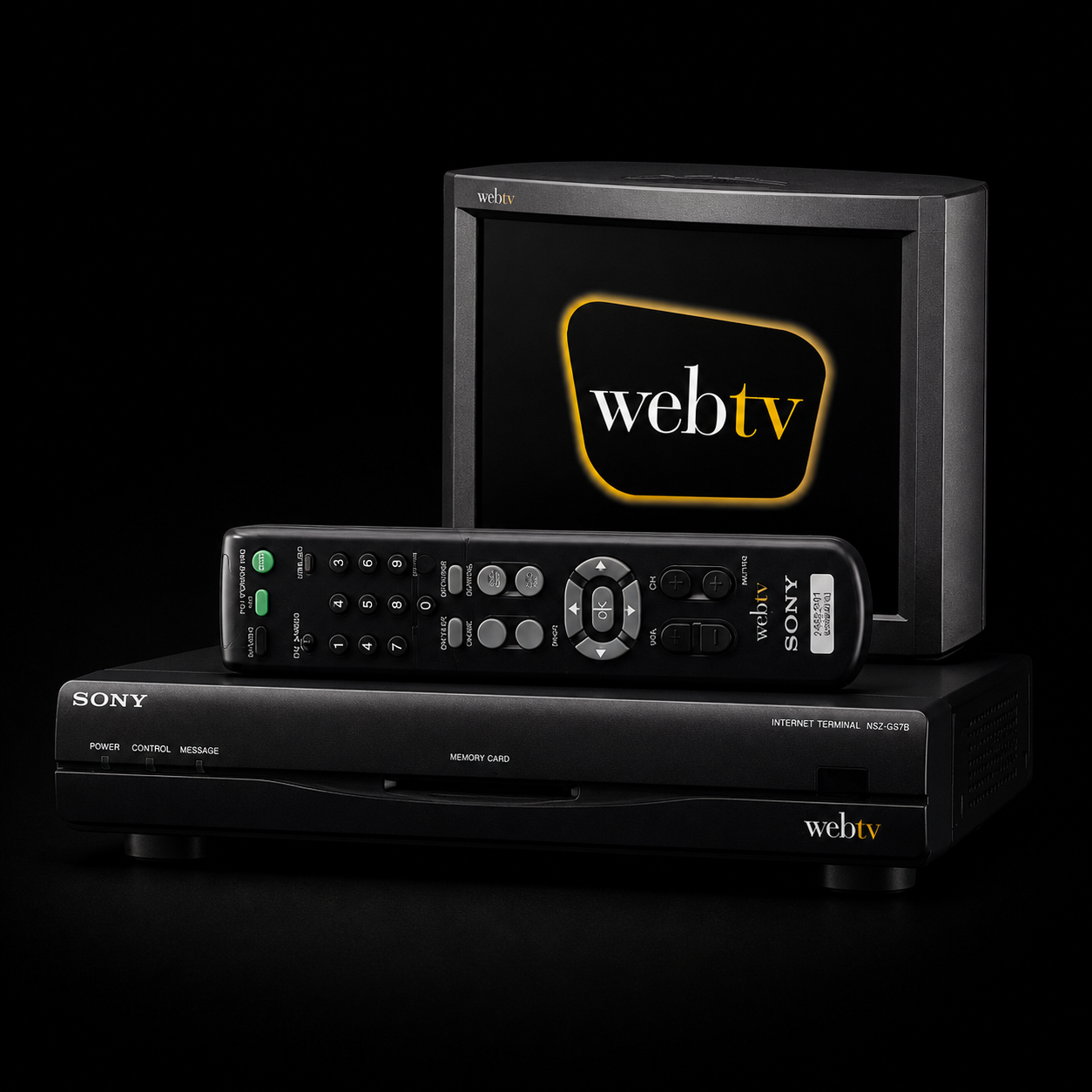
Iomega Zip Drive
100MB on one disk felt endless.
In the mid-90s, a regular floppy disk held 1.44MB. Then Iomega's Zip Drive showed up with 100MB disks, and for designers, offices, students and anyone moving big files, it felt like magic.
Then came the infamous "click of death," while CD burners became cheaper and rewritable optical media improved. What felt like the future quickly became an awkward bridge between floppies and optical storage.
A de facto standard for moving big files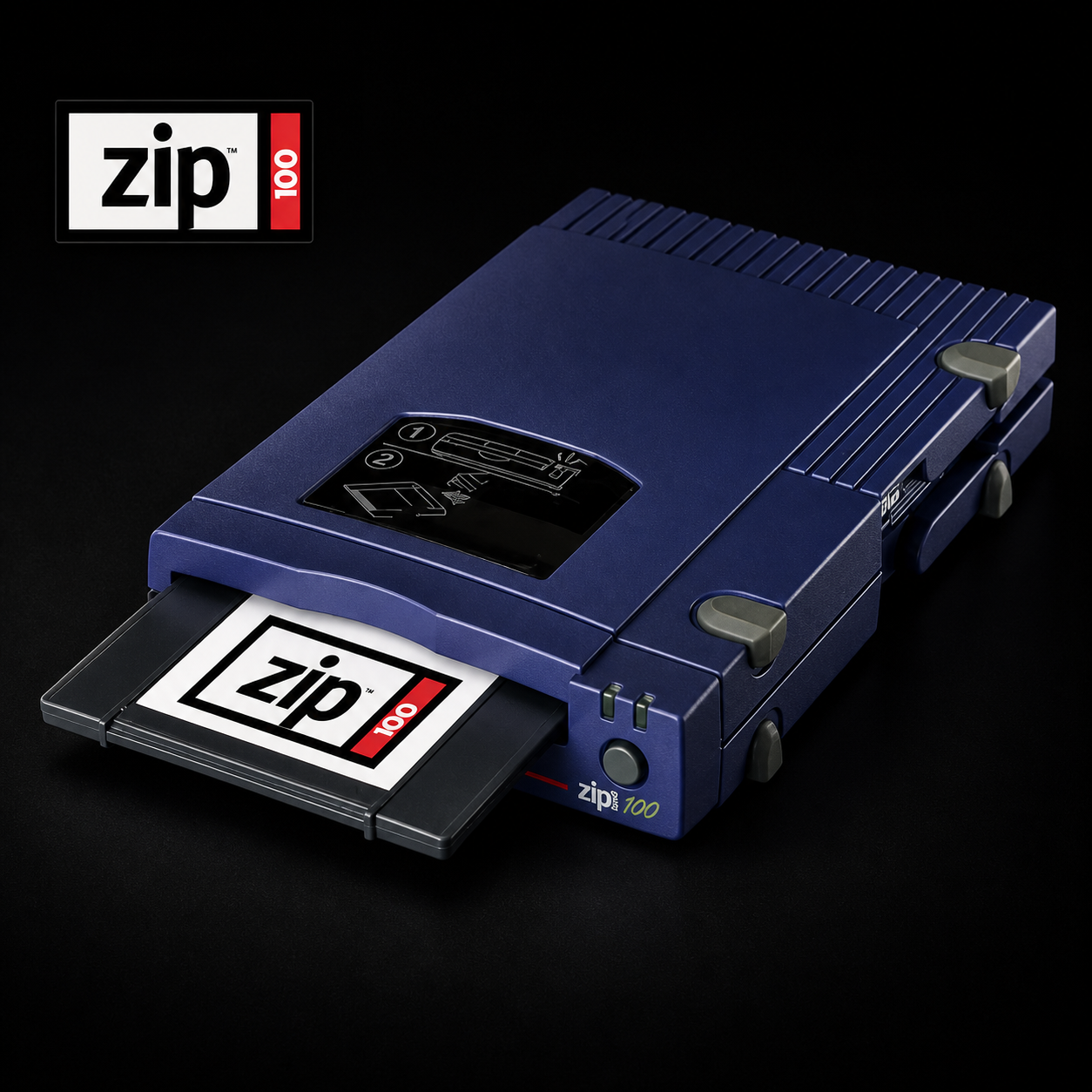
Sega Dreamcast
The console that arrived early and burned bright.
Dreamcast was Sega's final home console and still has one of the strongest reputations in gaming history. It pushed online play with a built-in modem and launched unforgettable games like Sonic Adventure, Soulcalibur and Shenmue.
Sega was already weakened, piracy became a serious problem and Sony's PlayStation 2 announcement changed the market before Dreamcast could settle in. The fan community, however, never really let it die.
10.6 million units sold, with an active fan scene today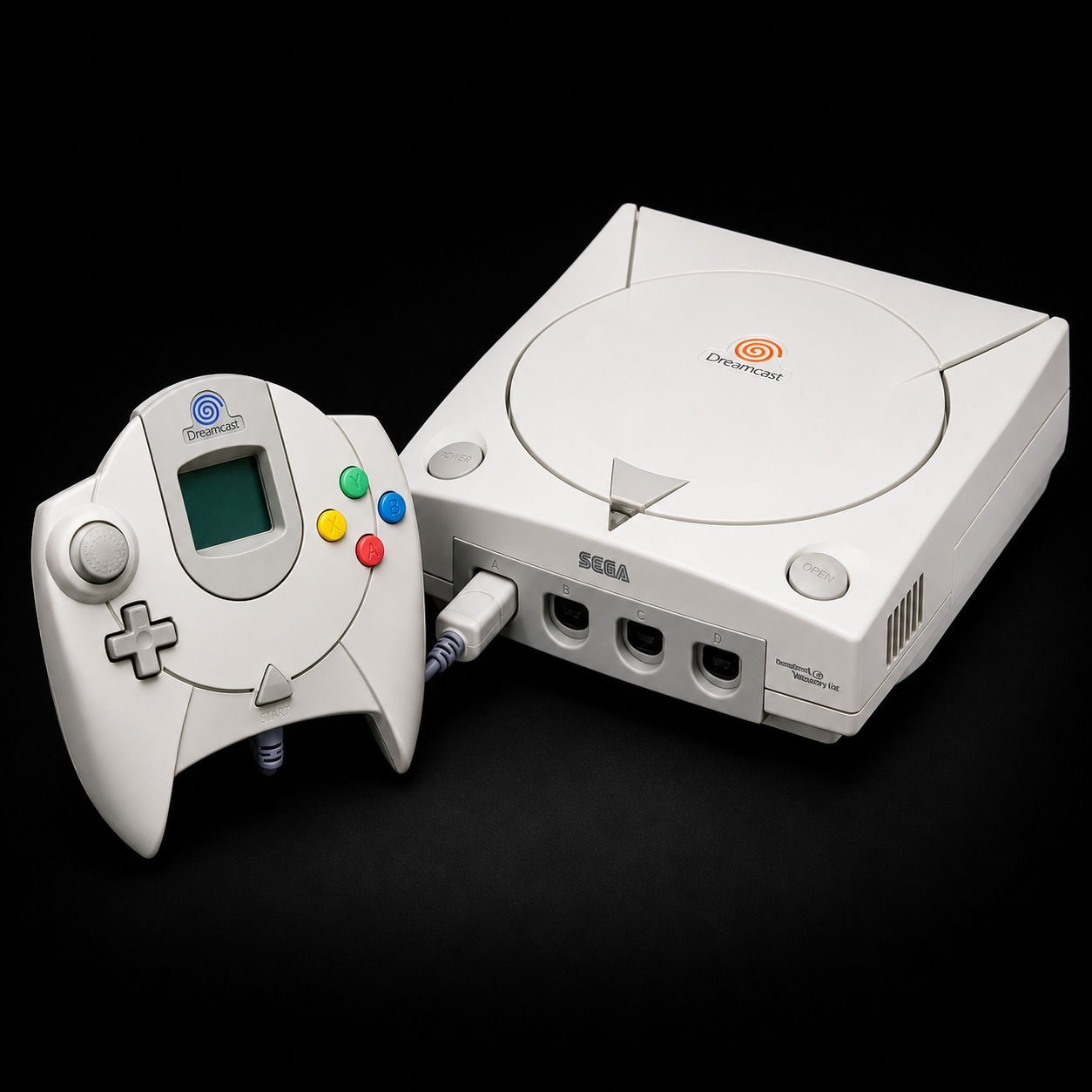
Tiger Game.com
The connected handheld that almost sounds fake now.
Tiger Electronics launched the Game.com with features that sounded futuristic: a touchscreen, a stylus, a calendar, contacts, optional internet access and licensed games. On a feature list, it looked like a handheld from another timeline.
The screen was poor, the controls were clumsy and the internet feature was too limited to become useful. Still, the idea of a touch-based connected handheld was pointing toward the world that smartphones would later own.
One of the earliest internet-capable handheld game systems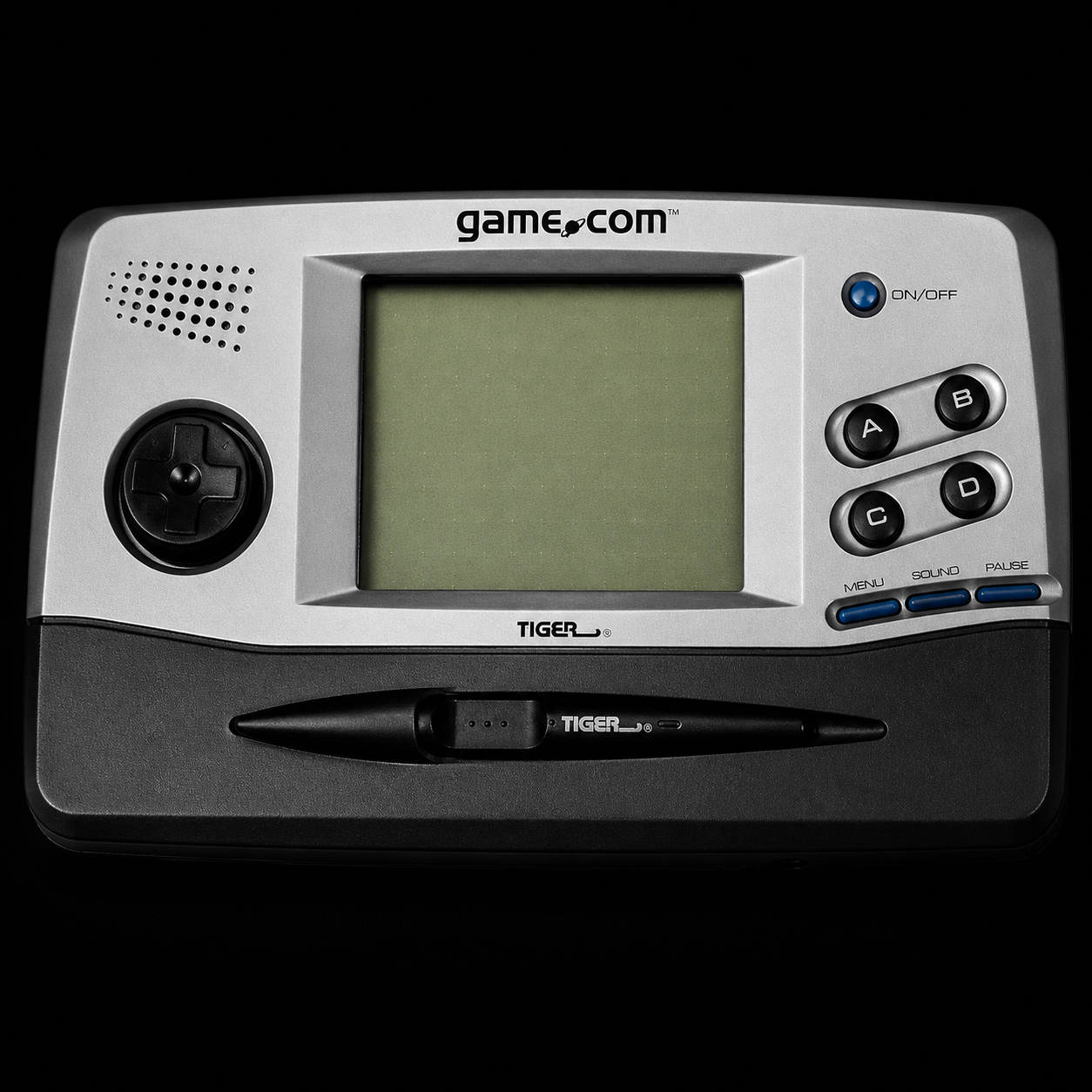
Casio Databank Watch
The smartwatch before the word smartwatch mattered.
Long before Apple Watch, Casio had a watch that could store contacts, run calculations, handle alarms and put tiny productivity tools on your wrist. For a certain kind of 90s tech fan, the Databank was the perfect daily flex.
The Databank did not fully disappear. Casio still sells related calculator-watch models, and collectors keep the old ones alive. What changed is that it became a beloved retro object instead of the center of wearable computing.
Still collected, modified and worn by retro tech fans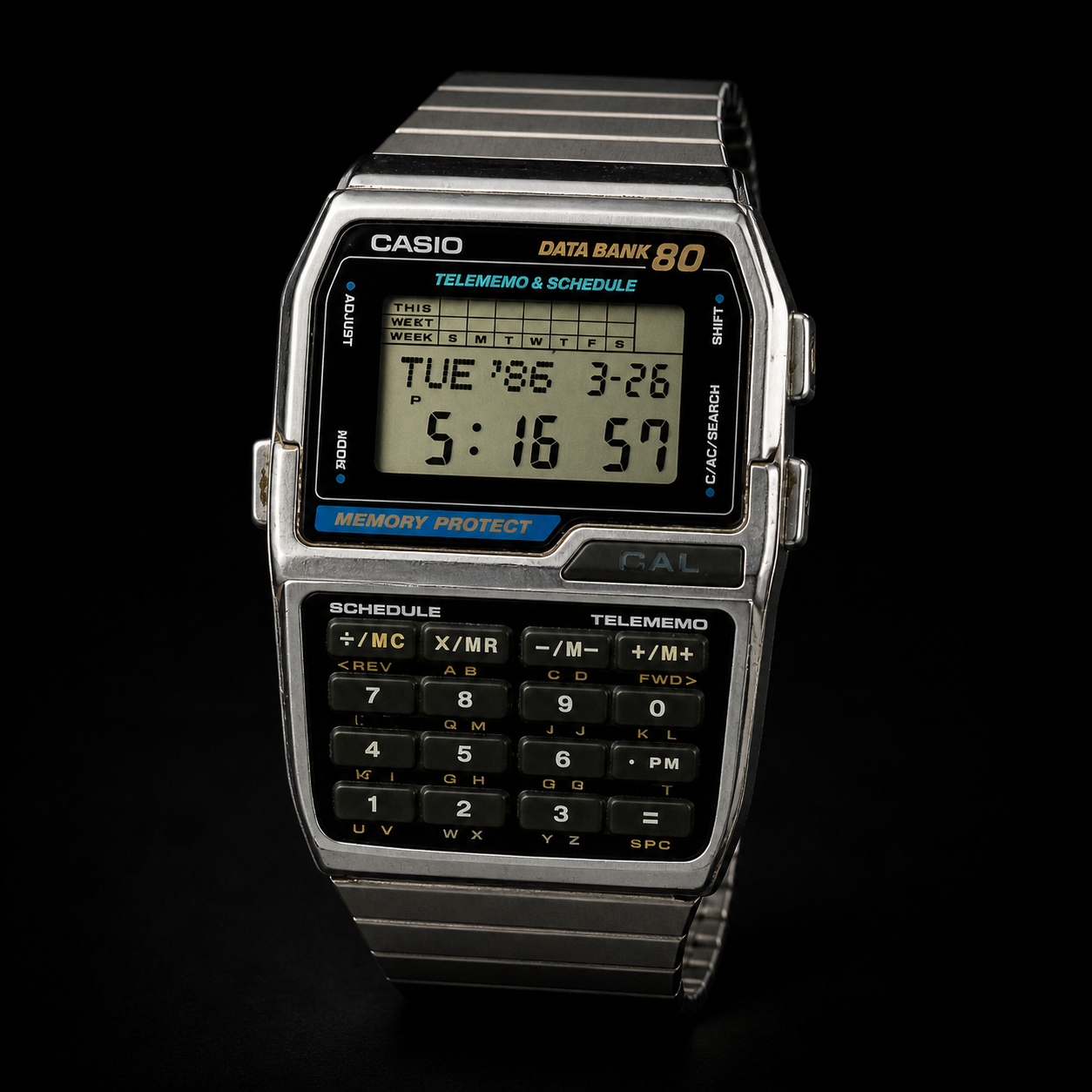
3DO Interactive Multiplayer
The $700 console that wanted to become a standard.
3DO was not just another console. The business idea was to create an open multimedia gaming standard that multiple hardware companies could license. It had CD-ROM games, full-motion video and impressive ambition for the early 90s.
The price crushed it. By the time the price came down, PlayStation and Sega Saturn had changed expectations. The 3DO was bold, but it lost the timing and value battle.
$699 at launch in 1993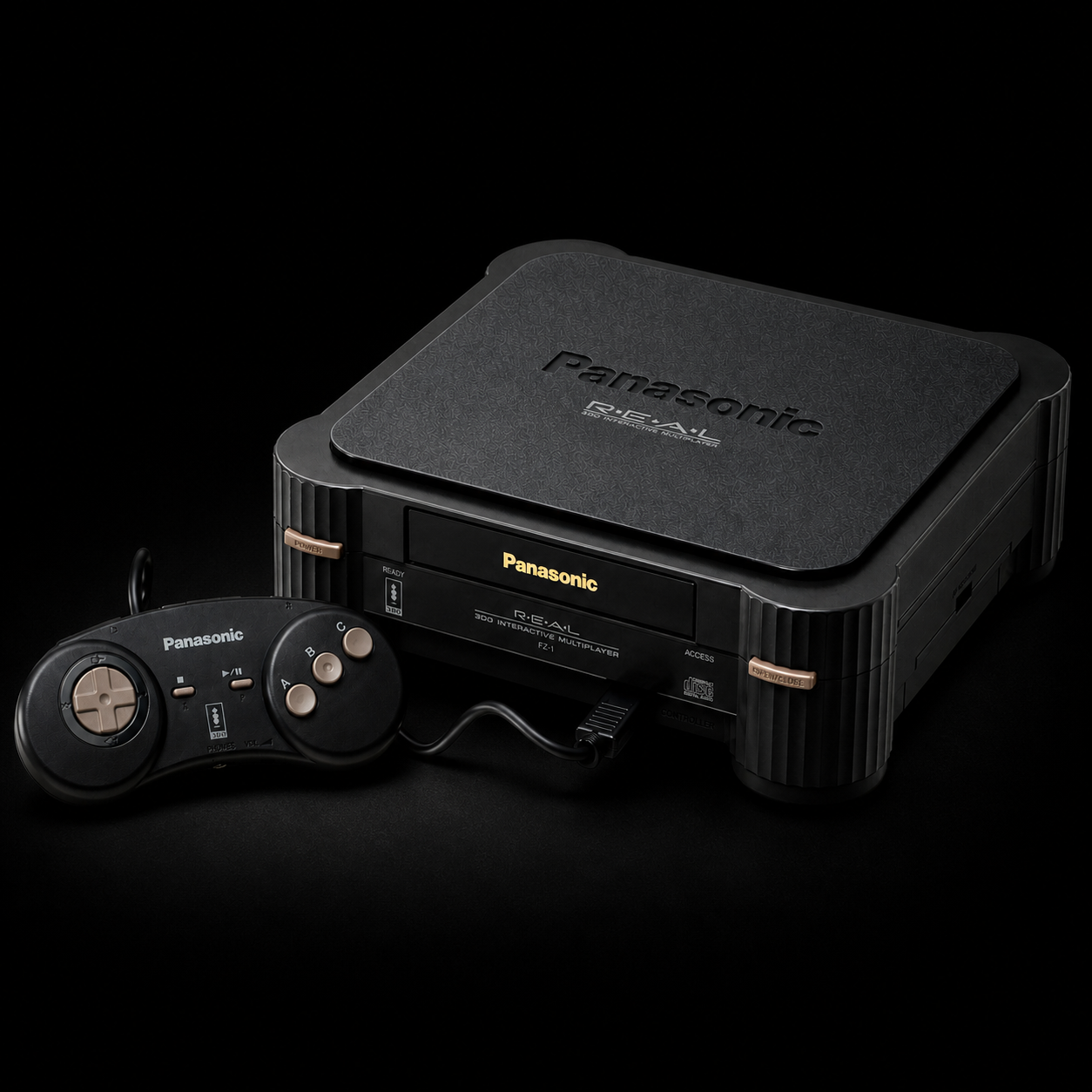
Apple QuickTake
A consumer digital camera before consumers knew they needed one.
Apple's QuickTake 100 is often remembered as one of the first consumer digital cameras. It could capture 640 by 480 images and move them to a computer through a cable. In 1994, the idea of photos living as computer files was still new for most people.
The camera was expensive, limited and early. A few years later, digital cameras exploded. Much later, Apple would dominate casual photography through the iPhone instead.
Launch price: $749 in 1994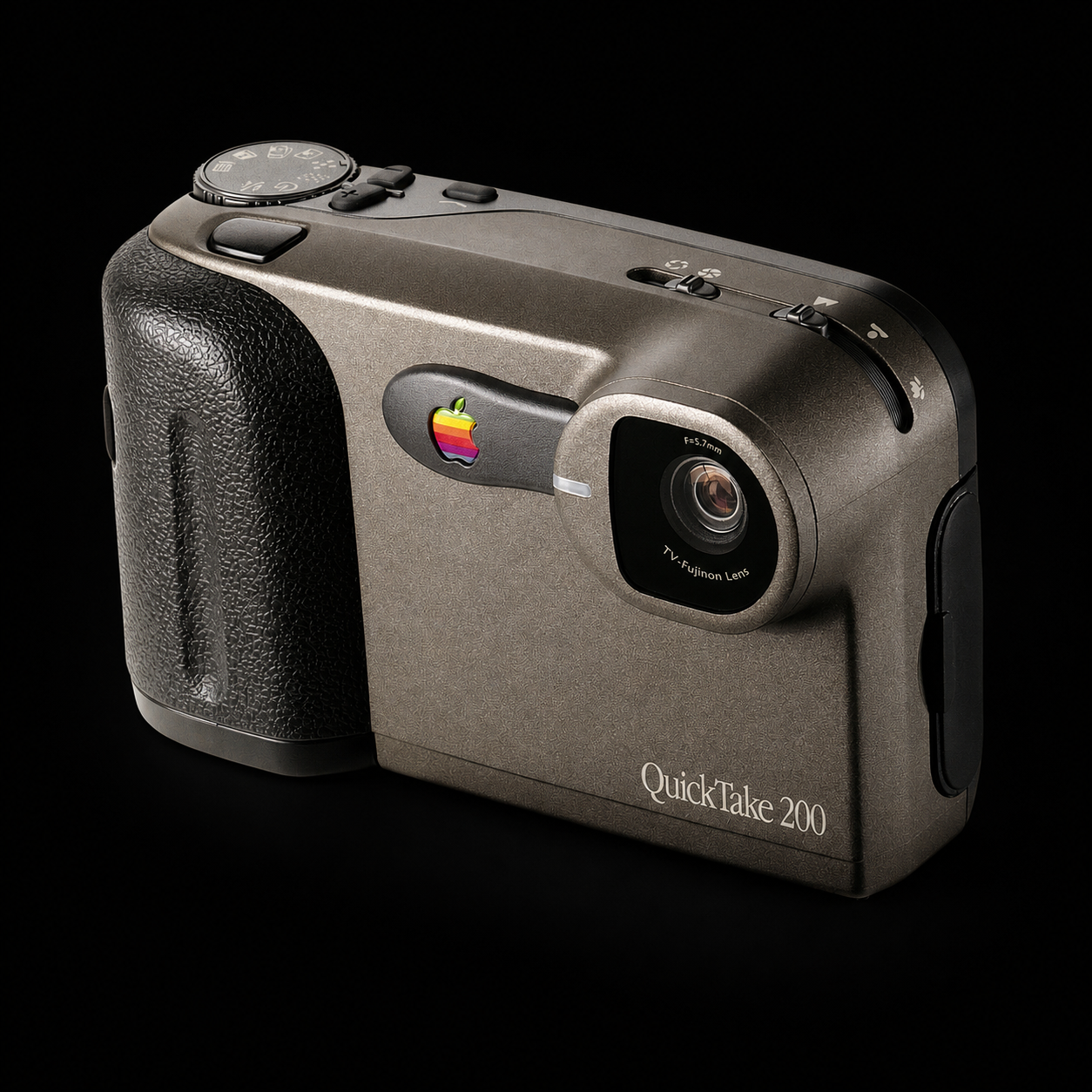
Rio PMP300
Portable MP3 before the iPod made it obvious.
Diamond Multimedia's Rio PMP300 was one of the first mainstream portable MP3 players. It had 32MB of storage, which meant a small handful of songs, but the point was bigger than capacity: music could be carried as files.
The music industry immediately understood the threat and sued to block it. Diamond won, and portable digital music moved forward. Apple later turned the same idea into the iPod with a better interface, more storage and perfect timing.
The RIAA lawsuit helped define the MP3 player market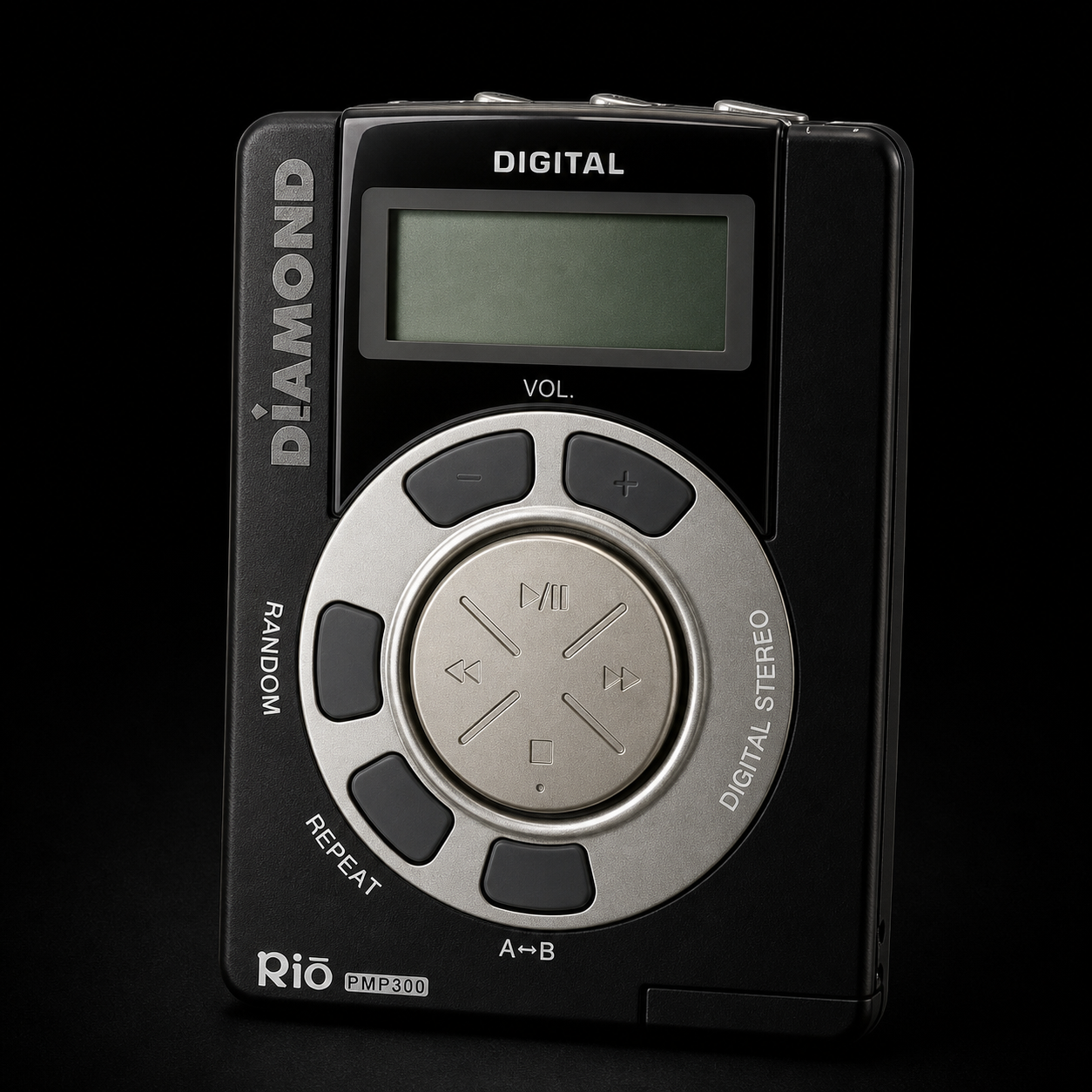
The Future Usually Arrives Twice
Every gadget on this list was right about something. MiniDisc saw portable digital audio. Newton saw handheld computing. WebTV saw internet television. Dreamcast saw online console gaming. The problem was rarely the vision alone.
The hard part was timing, price, execution and the next wave arriving faster than expected. That is why 90s tech is still so interesting: even the failures were often previews.
FAQ
Why did so many 90s gadgets disappear?
Most disappeared because the timing, price, software support or market changed faster than the hardware could adapt.
Were these gadgets failures?
Not always. Several were early previews of ideas that later became normal, including portable digital music, smart TVs, mobile computing and online console gaming.
Are any of these 90s gadgets still worth collecting?
Yes. MiniDisc players, Dreamcast consoles, Casio Databank watches and Apple Newton devices all have active collector interest, though condition and accessories matter.