Why the Snap Feels New Again
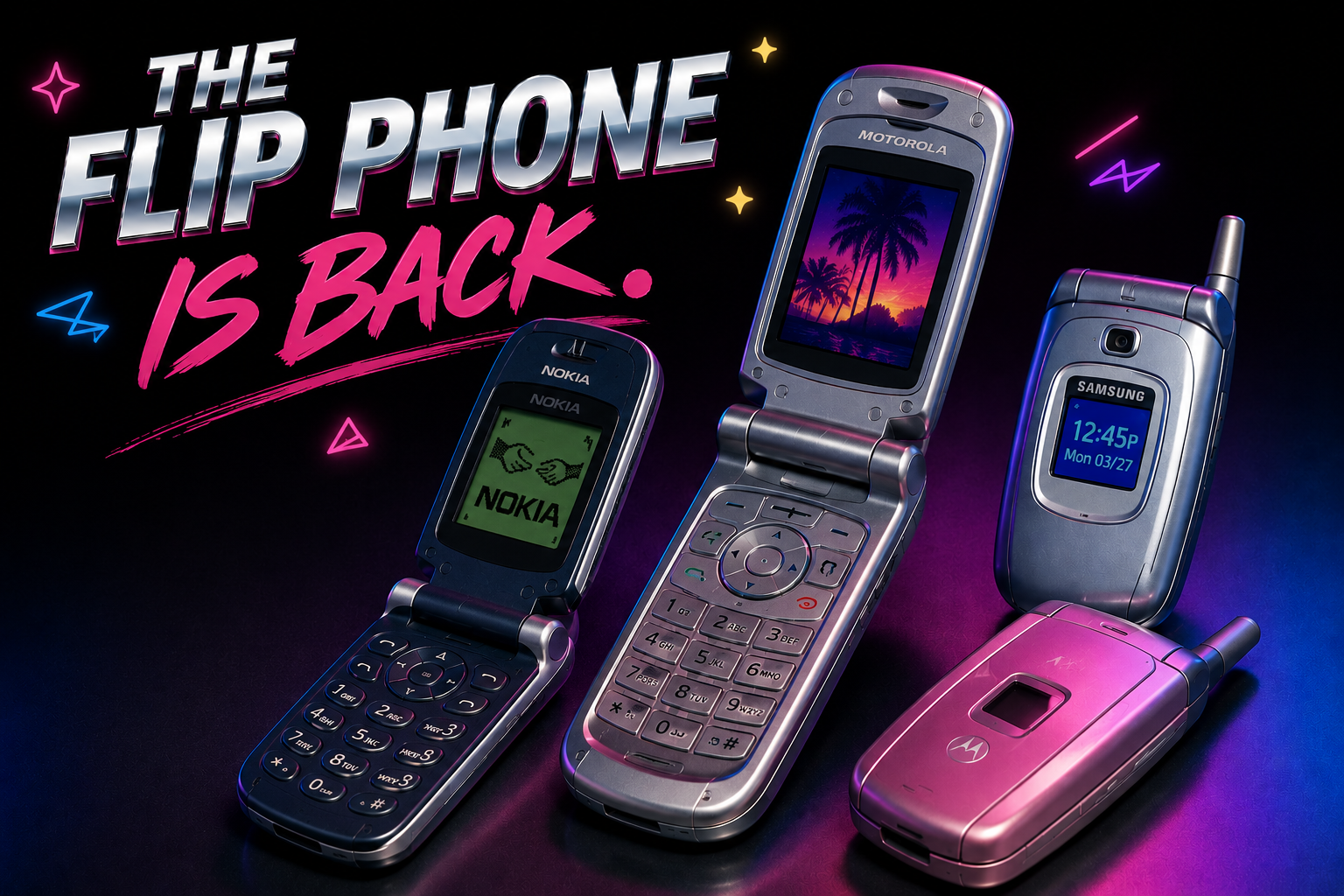
Flip phones hit different because they had a physical ending. You opened them to start a call, snapped them shut to finish it, and the device felt like an object with attitude. Now that every phone is an always-on rectangle, that simple movement feels new again, especially when social networks are built to keep you scrolling long after you forgot why you opened the app.
A Brief History of The Flip
To understand why flip phones are back, you have to understand why they were so beloved in the first place. These were not just phones. They were objects with personality, with drama, with a physical ritual built into every interaction.
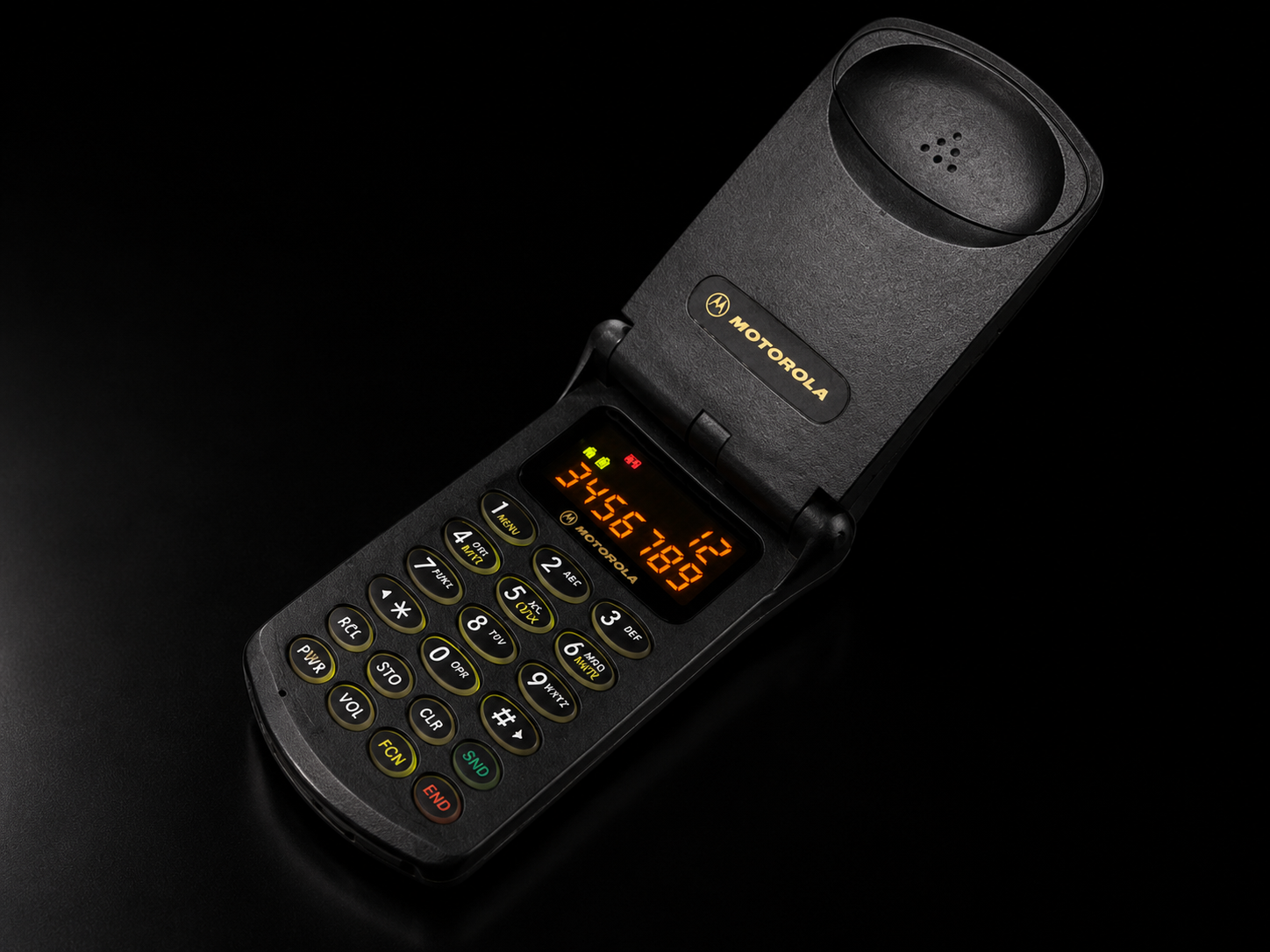
Motorola StarTAC
The pocket phone that made folding feel premium.
The StarTAC was the moment a cell phone stopped looking like equipment and started looking personal. At roughly 88 grams, it is the phone that made flipping cool. Business executives carried it like a status symbol, and in the 90s, opening one in public felt like a flex.
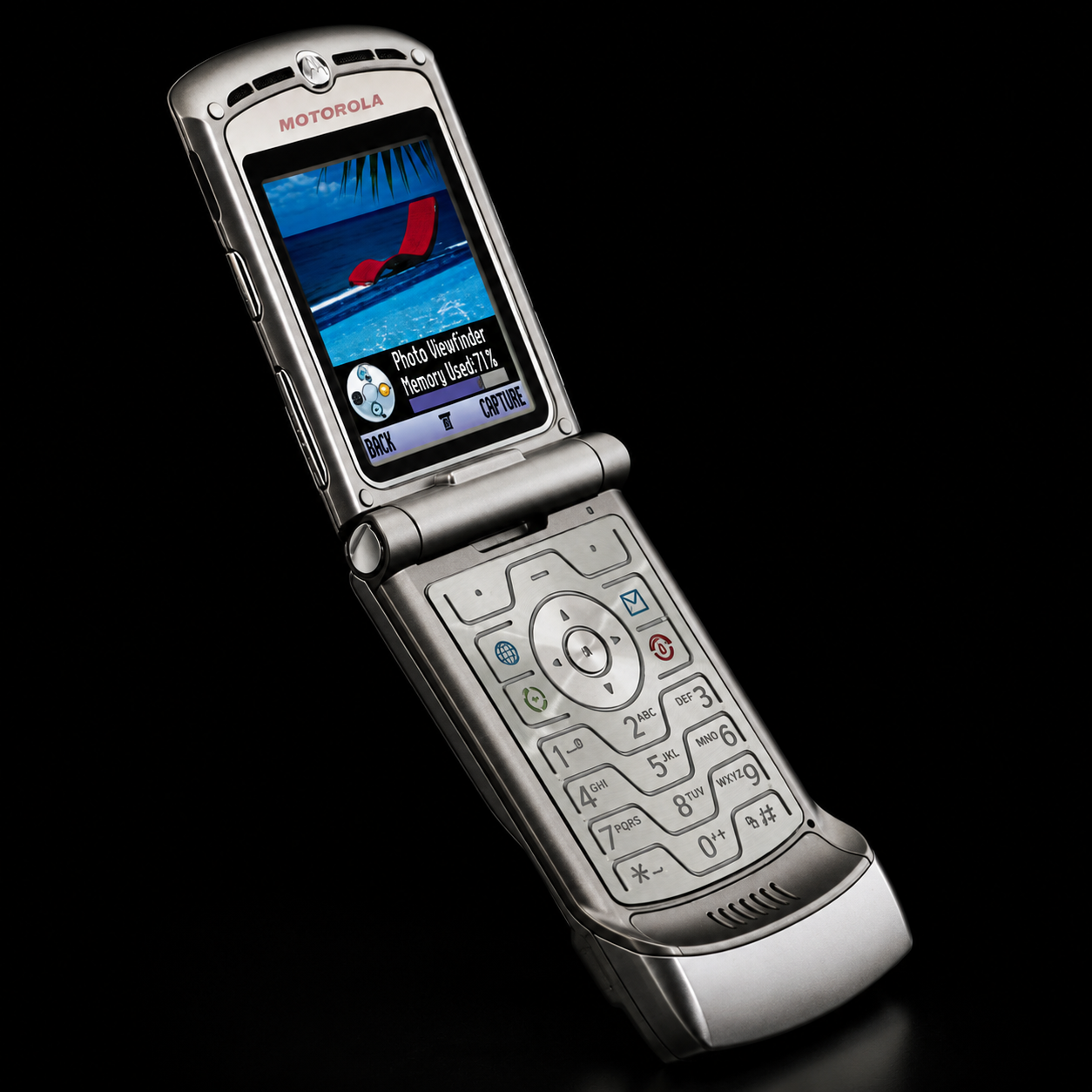
Motorola Razr V3
Thin metal, sharp lines and pure mid-2000s energy.
The Razr V3 was not just a phone. It was fashion tech. The keypad glowed, the body was thin, and the hinge had that satisfying snap. It made other phones look chunky overnight, then became one of the best-selling phones of all time with over 130 million units sold worldwide.
The iPhone Changes the Room
The slab won because software became the main feature.
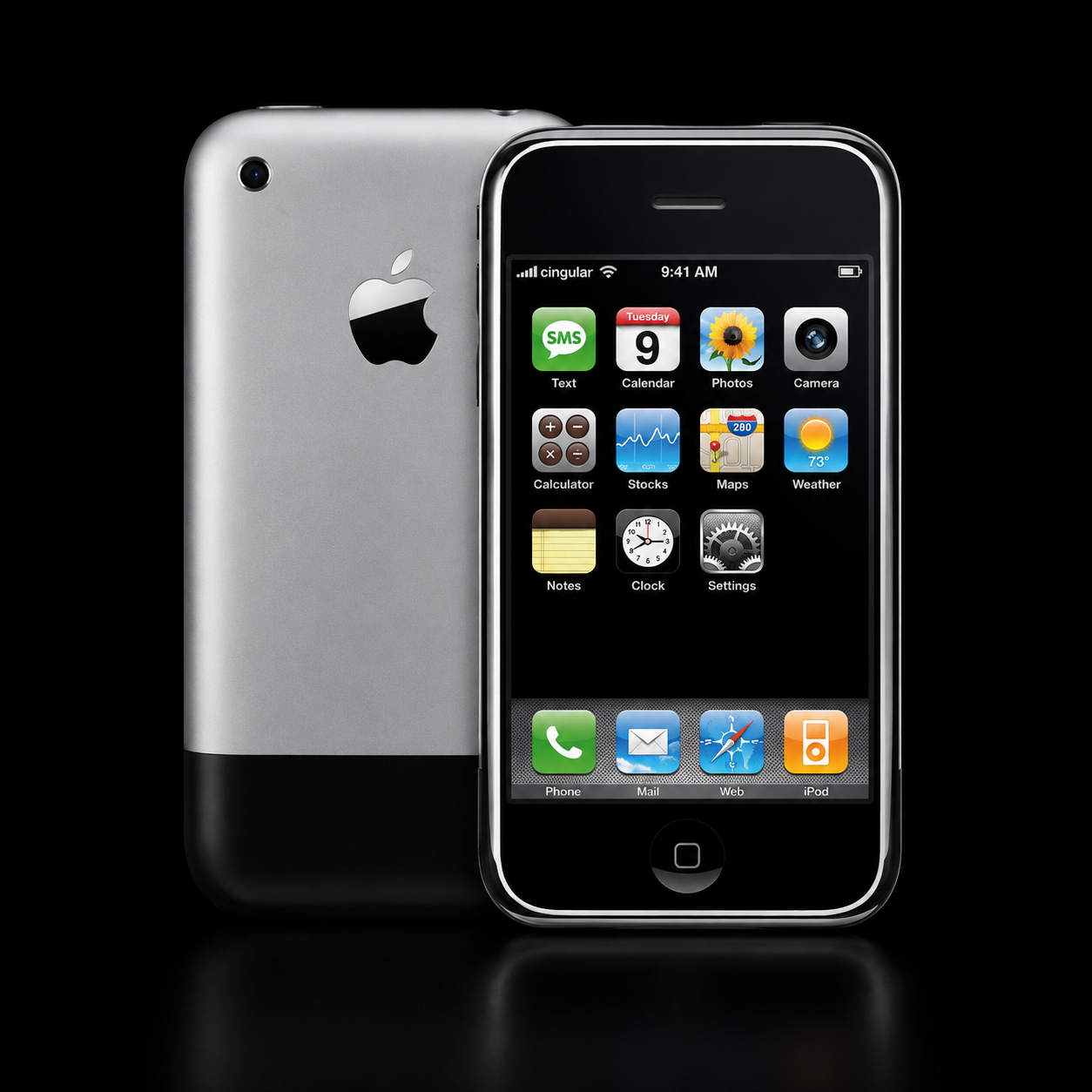
The original iPhone did not kill flip phones in one day, but it changed what people expected from a phone. Touch, apps and the web became the point. The hinge started to look old because the screen became the whole product.
The flip phone does not just cut distractions. It creates a ritual. Opening it means you chose to engage. Closing it means you chose to stop.
Motorola Razr Returns
The nostalgia was perfect. The price was wild.
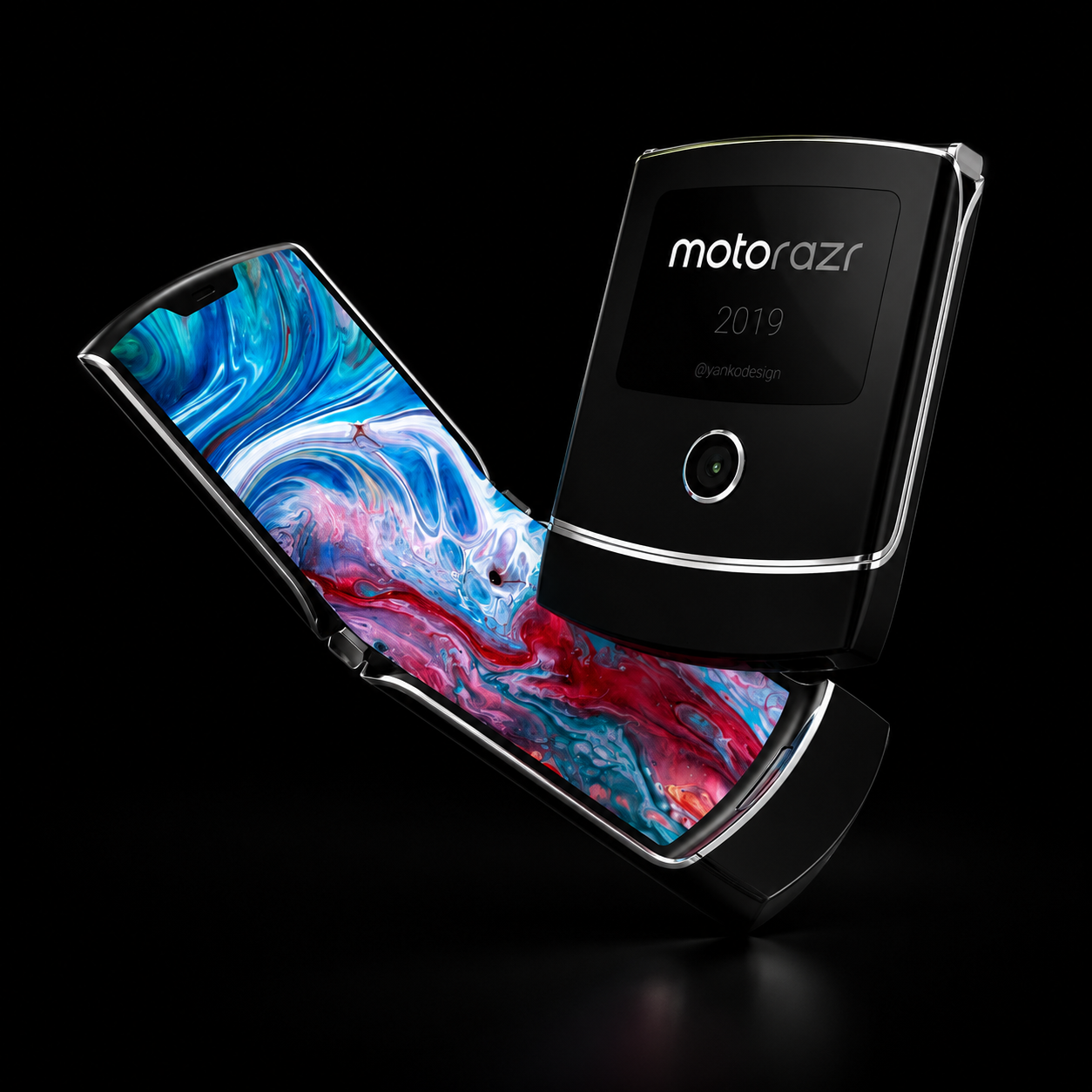
Motorola brought the Razr name back with a folding OLED screen, and the idea was instantly understandable: the old shape with a modern smartphone inside. The design had emotion, even if the first comeback model felt expensive for the hardware.
Samsung Galaxy Z Flip
The flip phone becomes a flagship category again.
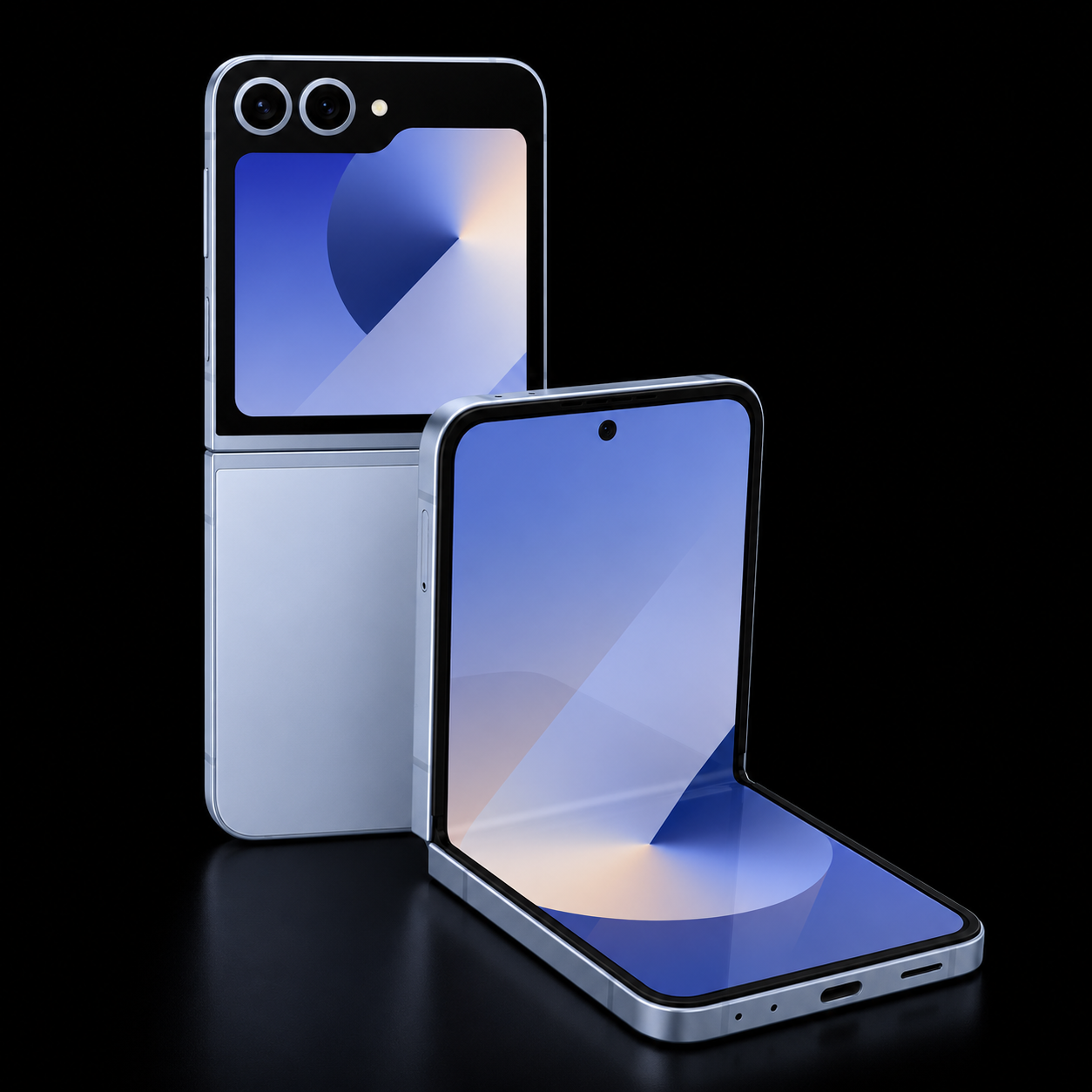
Samsung made the modern flip feel less like a one-off nostalgia play and more like a real product line. The Z Flip proved that folding phones could be stylish, compact and social-media friendly at the same time.
Nokia-Style Modern Flips
Not everyone wants a $1,000 folding smartphone.
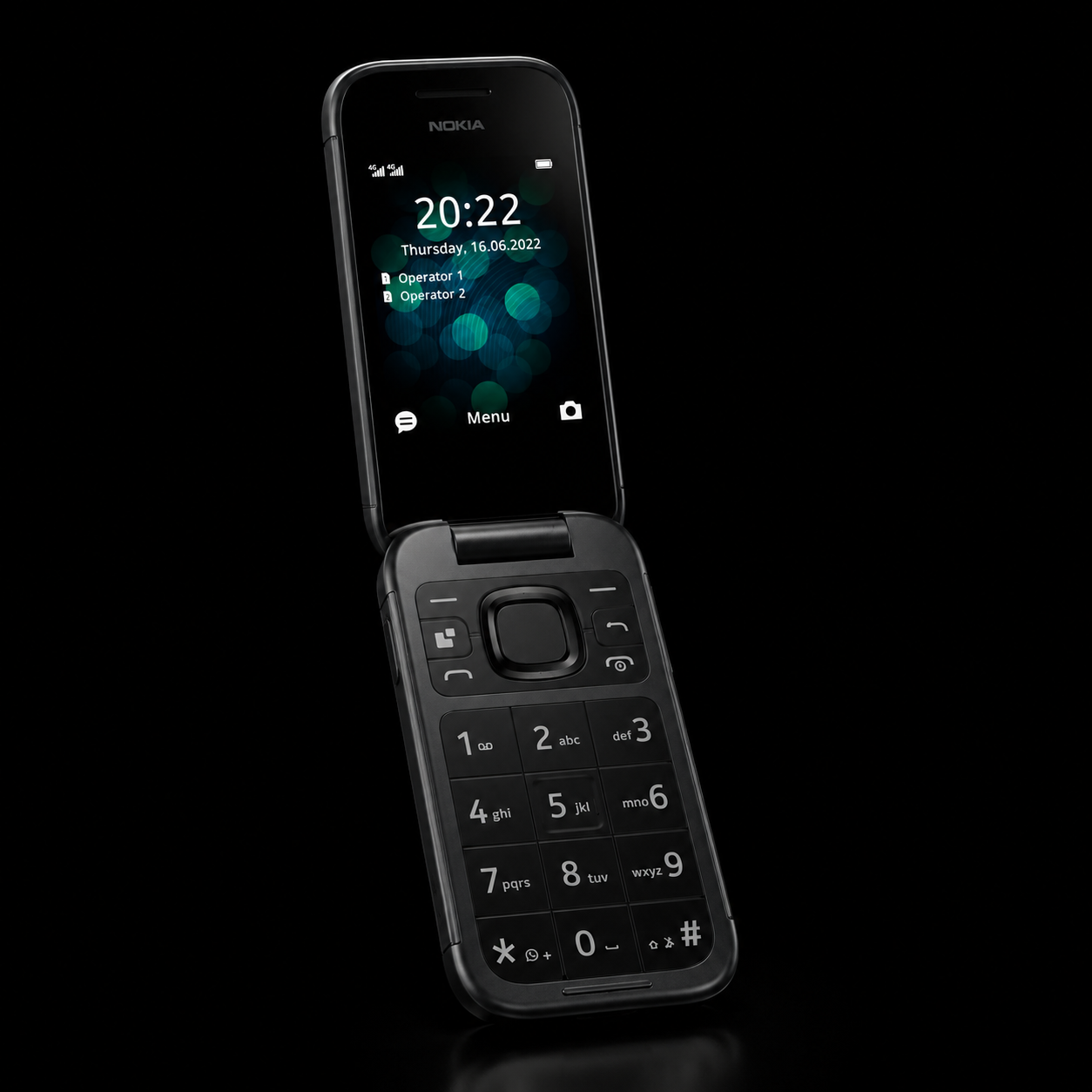
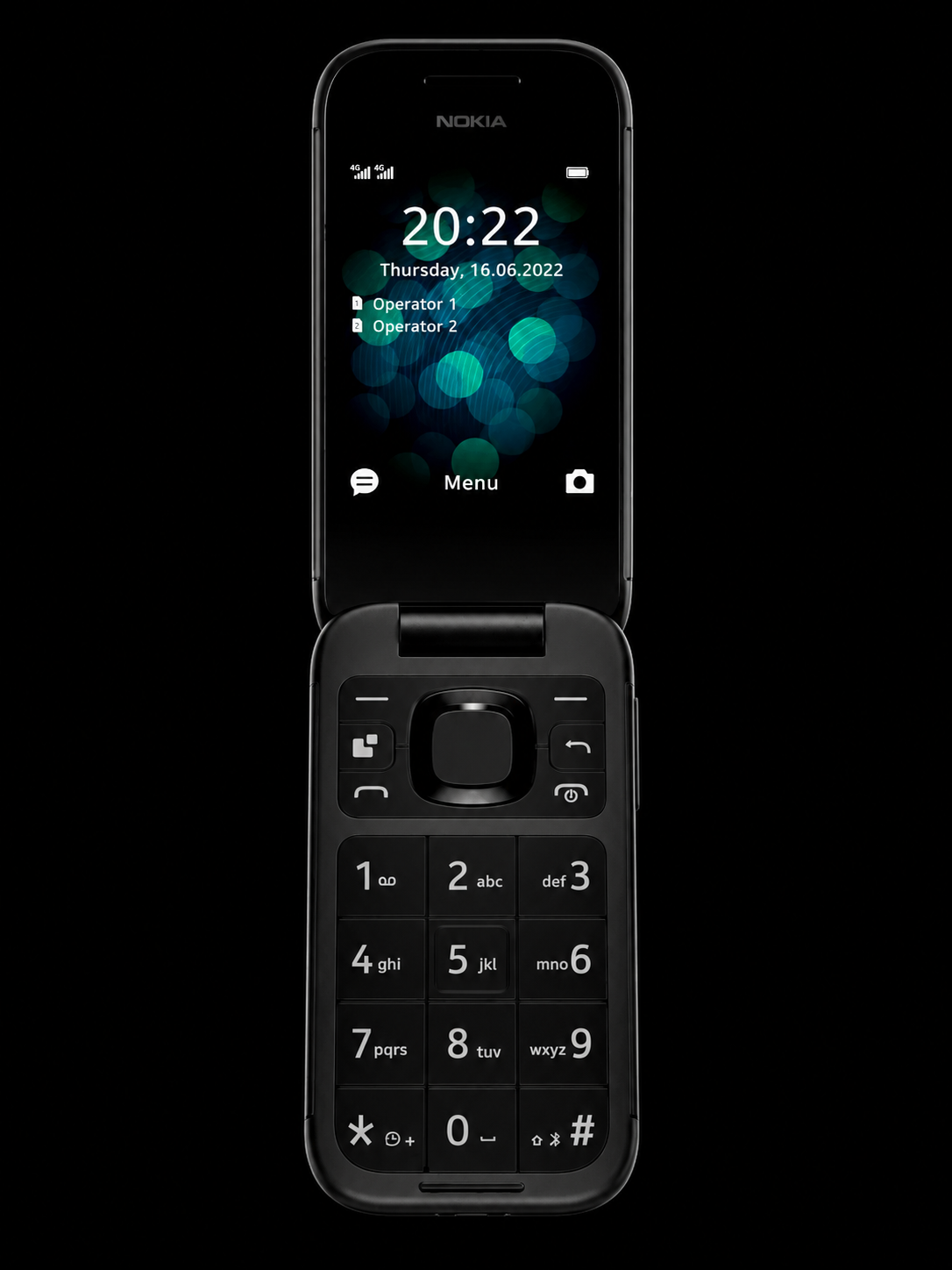
The other side of the flip comeback is simpler: cheaper feature phones with 4G, USB-C, basic apps and big buttons. For people who want fewer distractions, the appeal is not specs. It is control.
Why Now?
The timing is not accidental. In 2026, we are living through peak digital saturation: notifications, algorithm feeds, infinite scroll and apps that turn every spare second into another feed refresh.
The average person checks their phone within minutes of waking up and keeps doing it throughout the day, often without deciding to. The flip phone offers something radical: friction. And right now, friction is exactly what people want. When your phone is a clamshell with T9 texting and a 2-inch screen, you do not doomscroll. You cannot. The limitation is the feature.
The Gen Z Angle
Here is the irony: the generation most associated with TikTok and Instagram is also helping push the idea of getting off the phone. Gen Z grew up with smartphones, so the flip phone is not just retro to them. It can feel genuinely new.
TikTok is full of videos tagged #flipphone and #dumbphone, with creators showing decorated Nokia-style flips, gems, stickers and first-time dumbphone unboxings. The aesthetic is Y2K. The intent is very 2026: less noise, more choice, and a device that does not beg for attention every five minutes.
MediaBoxEnt Take
The flip phone is back because it solves two problems at once. It gives people a phone that looks different, and it creates a tiny ritual: open it when you need it, close it when you are done.
For Gen Z, that is not just nostalgia. It is a reaction to phones becoming too available, too similar and too hungry for attention. The best modern flip phones understand that the hinge is not a gimmick. It is the whole mood.
Shop the flip-phone vibe
Buy Links
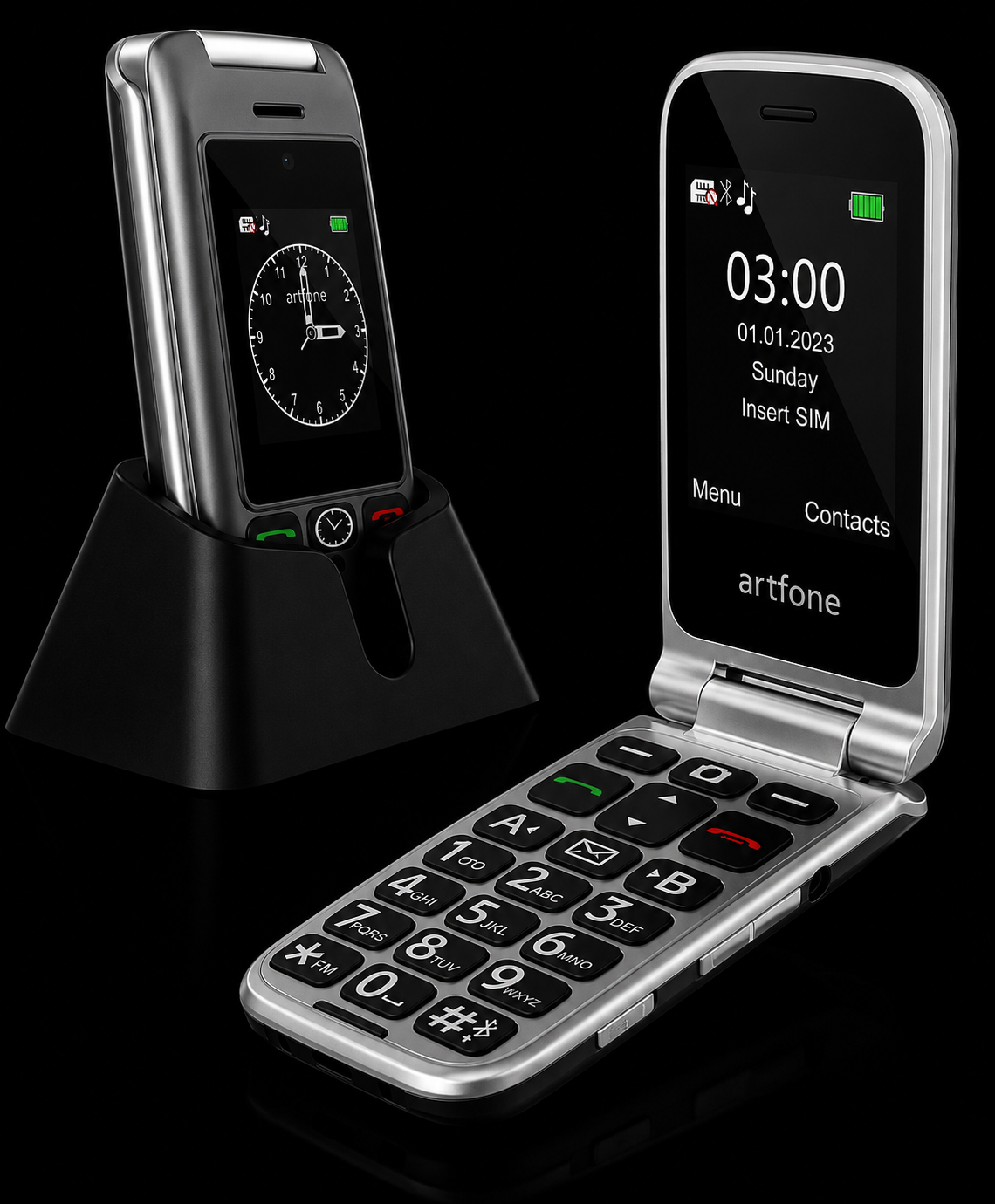
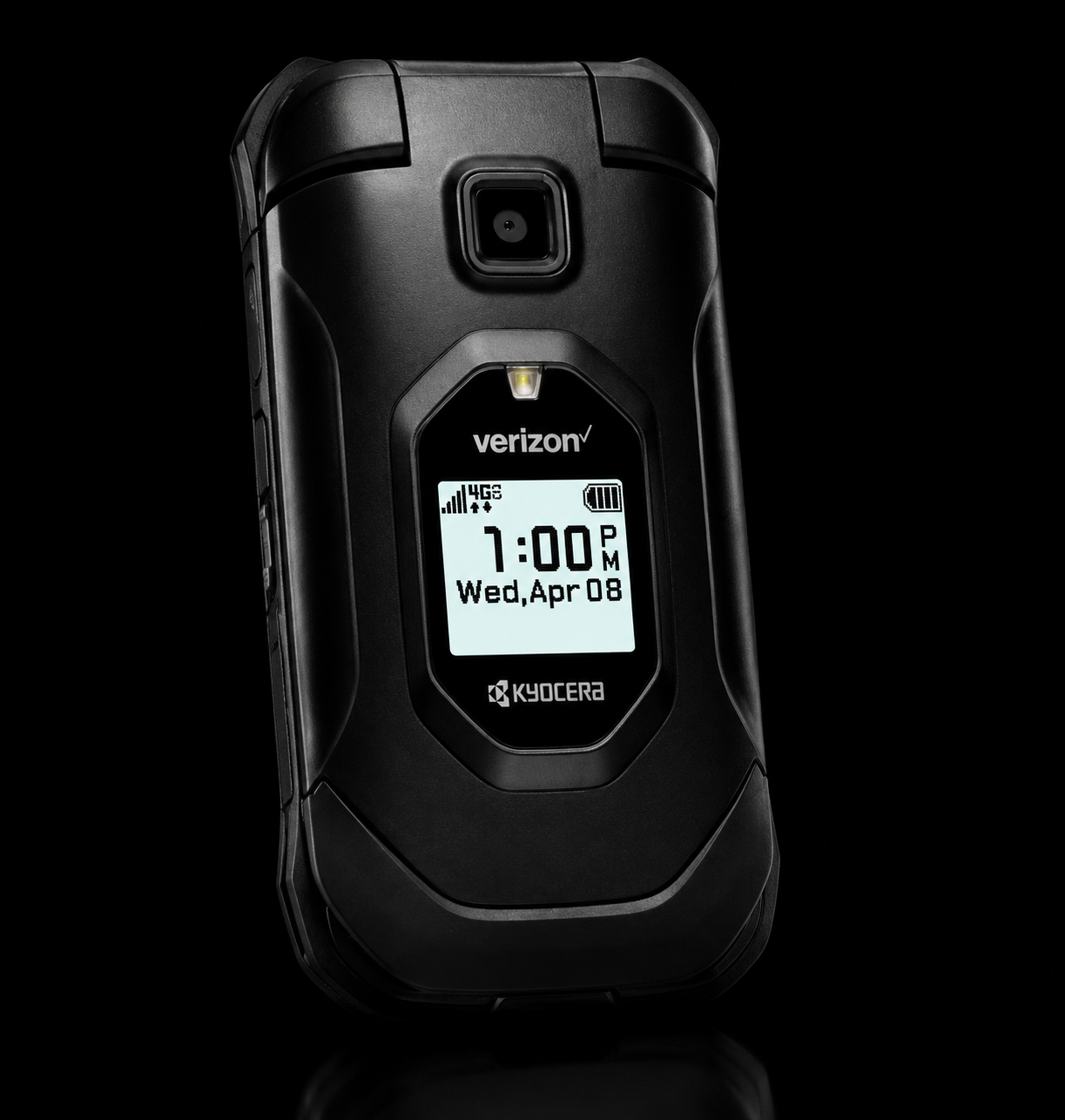
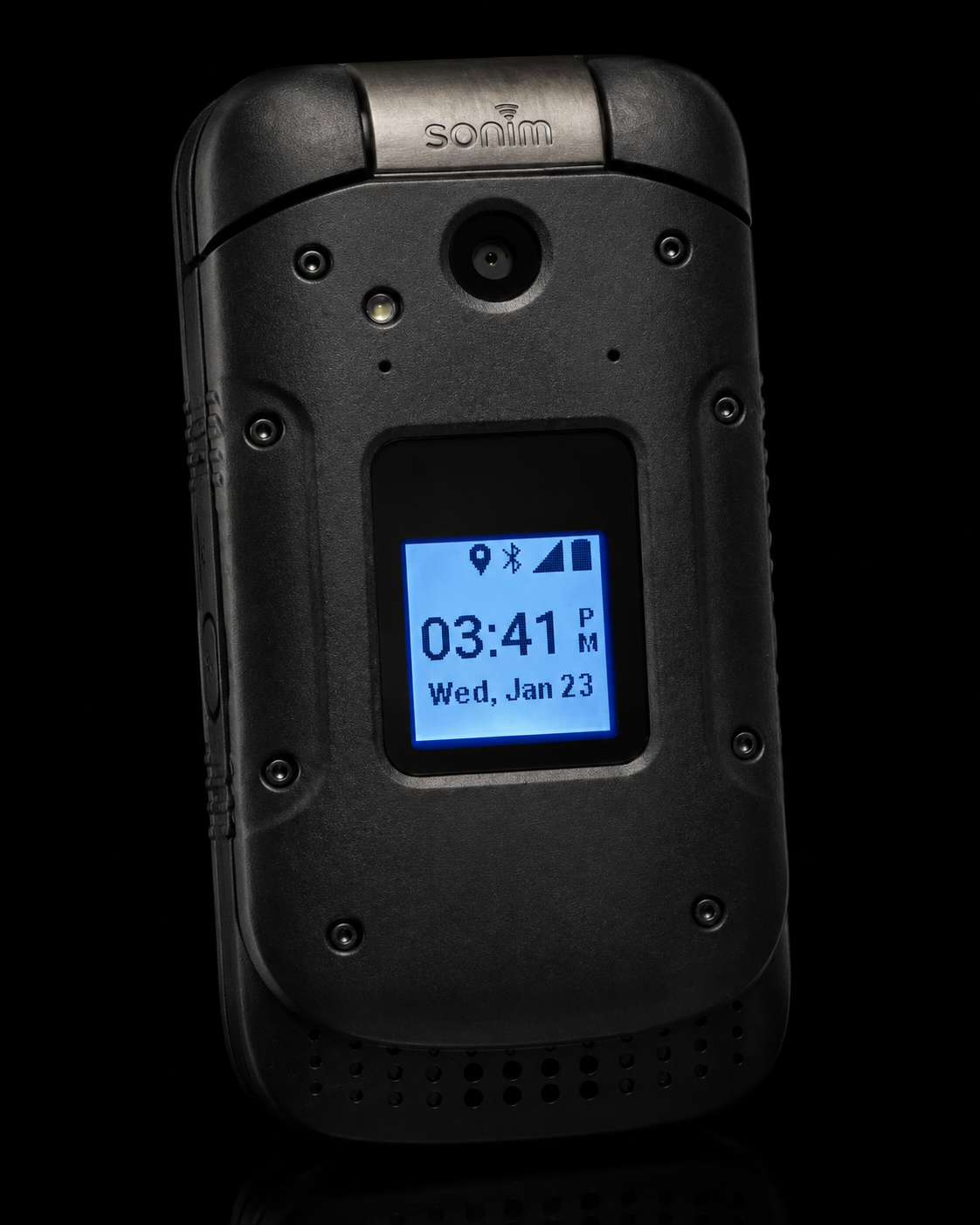
Here are the product links you can use if you want a modern flip, a simple backup phone or a retro-style daily carry. Check compatibility with your carrier before buying.
Price and trend context checked against launch-price references including Apple's original iPhone announcement, Samsung's Galaxy Z Flip announcement, CNBC's 2019 Razr launch coverage, the BLS CPI inflation calculator, QuestionPro's digital disconnect study and TechCrunch's 2026 retro tech roundup. Inflation numbers are rounded estimates using CPI-style conversion into 2026 dollars.